
Ask ten casino regulars why they keep coming back and you'll get ten different answers. The thrill of a bonus round, the intellectual sparring of a poker table, the two-second dopamine hit when a slot reel lines up three scatters. But ask the players who actually last — the ones who aren't chasing losses at 3 a.m. — and a quieter theme emerges. They treat luck as something to be managed, not worshiped. That distinction is the entire game.
The iGaming industry pulled in roughly $100 billion in global revenue last year, and it keeps growing. With that growth comes an avalanche of noise: streamers promising "guaranteed" systems, Telegram groups selling picks, and influencers who conveniently forget to mention their affiliate links. If you want to enjoy igaming without becoming a cautionary tale, you need a framework. Not a magic formula — those don't exist — but a set of principles that separate recreational play from slow financial self-harm.
Every slot machine ever built runs on a Random Number Generator. There is no hot streak, no cold machine, no "due" jackpot. The reels have no memory. What does exist is volatility, and understanding it changes how you pick games.
Low-volatility slots pay smaller amounts more frequently. Think Starburst or classic 3-reel fruit machines. High-volatility slots like Book of Dead or Money Train can go hundreds of spins without paying anything meaningful, then trigger a bonus that multiplies your balance. Neither is "better." They're tools for different sessions.
One more thing about RTP — the return-to-player percentage. A 96% RTP slot doesn't mean you get 96% back per session. It means that over millions of spins, the house keeps about 4%. In a 200-spin session your personal results can swing wildly in either direction. The RTP is a long-run average, and you are not the long run.
Here's an uncomfortable truth for casino fans: in slots, blackjack, and roulette, the house has a mathematical edge baked into every hand. Poker is different. You play against other people, and the house just takes a rake. That means a skilled player can be genuinely profitable over time.
The catch, of course, is that "skilled" is doing a lot of work in that sentence. Modern online poker at mid-stakes is brutally tough. Solver software, HUDs, and training sites have compressed the learning curve so much that a casual player walking into a $1/$2 game is effectively donating.
The boom era of easy online poker money ended around 2011. Anyone telling you otherwise is selling a course.
If you bet on sports, the single highest-value habit you can build costs nothing: always compare odds across multiple books. A moneyline that pays -110 at one sportsbook might pay -105 at another. That five-cent difference sounds trivial until you run the math over a thousand bets — it can swing your long-term results by several percentage points.
Sign-up bonuses and odds boosts are real, but read the terms. Many require you to roll over the bonus five or ten times at minimum odds before you can withdraw. A $500 bonus with a 10x rollover and -200 minimum odds is not a $500 gift; it's a $10,000 wagering obligation. Treat the terms and conditions like the fine print on a mortgage, because functionally they are. สล็อต is a solid starting point for anyone new to this.
Every experienced player eventually lands on the same boring advice, and it's boring because it works.
The players who survive long-term in this industry aren't the ones with the best systems. They're the ones with the best discipline. Boring, consistent, unsexy discipline.
Before you deposit a single dollar, check where you're playing. A license from the UK Gambling Commission, Malta Gaming Authority, or a comparable regulator means the operator is subject to audits, dispute resolution, and fair-play requirements. Offshore casinos with vague licensing (or none at all) are where horror stories about frozen withdrawals come from.
Look for clearly published RTPs, independent testing seals from labs like eCOGRA or GLI, and responsible gambling tools — deposit limits, session reminders, self-exclusion options. A casino that hides these features behind five menus is telling you something about its priorities.
And if gambling stops being fun — if it feels compulsive, secretive, or necessary — that's the moment to step away and look up local support resources. No bonus is worth your mental health.
iGaming is a mature industry now, not a novelty. The games are faster, the marketing is slicker, and the distractions are more sophisticated than they were ten years ago. What hasn't changed is the fundamental math: the house has an edge, variance is real, and skill only shifts the odds in a few narrow corners like poker and sharp sports betting.
The players who get the most out of this world — and lose the least — are the ones who treat it as entertainment with a hard budget, not as a strategy for getting rich. That's it. That's the whole secret. Set your limit, play the games you actually enjoy, and walk away when you've hit your number, win or lose. Luck is not a science, but managing your relationship with it absolutely is.

Watch a multiplier climb from 1.00x to 2.00x to 5.00x, then vanish in a heartbeat. Somewhere in that span, a player...
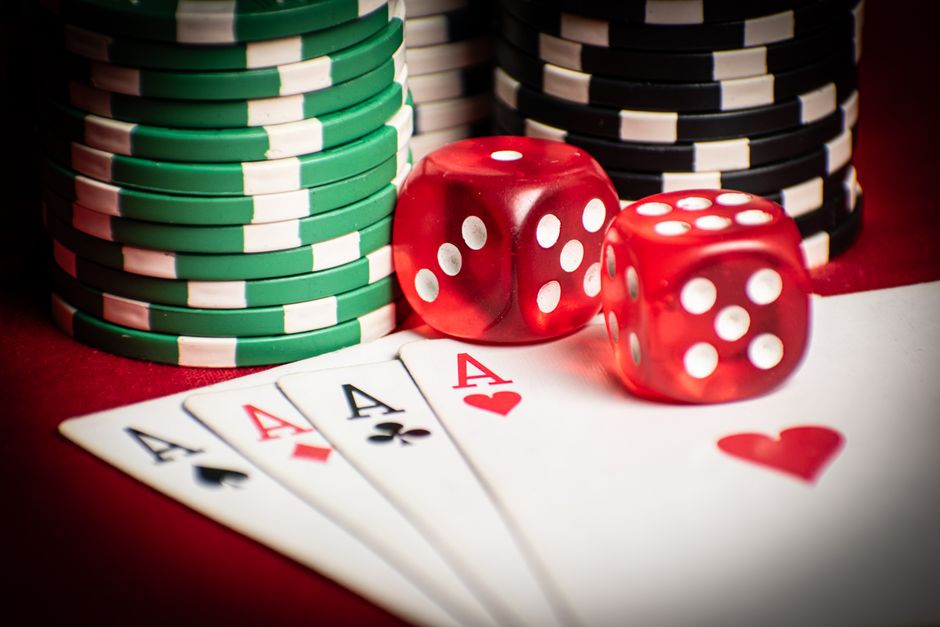
Walk into any online casino lobby and you'll see the same bright banners for slots, live dealer tables, and the...
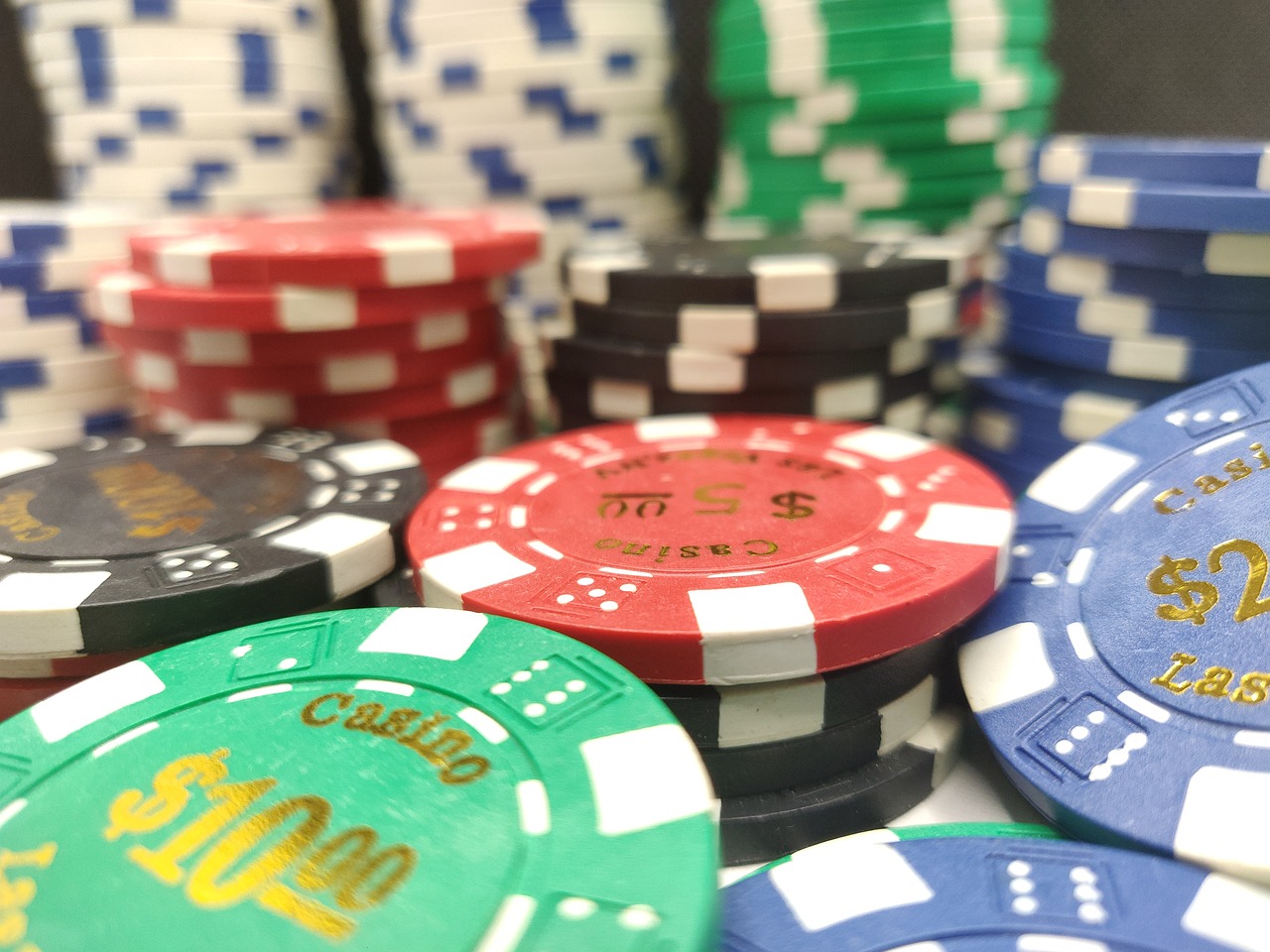
Every gambler has heard the phrase "the house always wins." It's repeated like scripture in forums, at poker tables,...

Personal finance rooted in the countryside.
