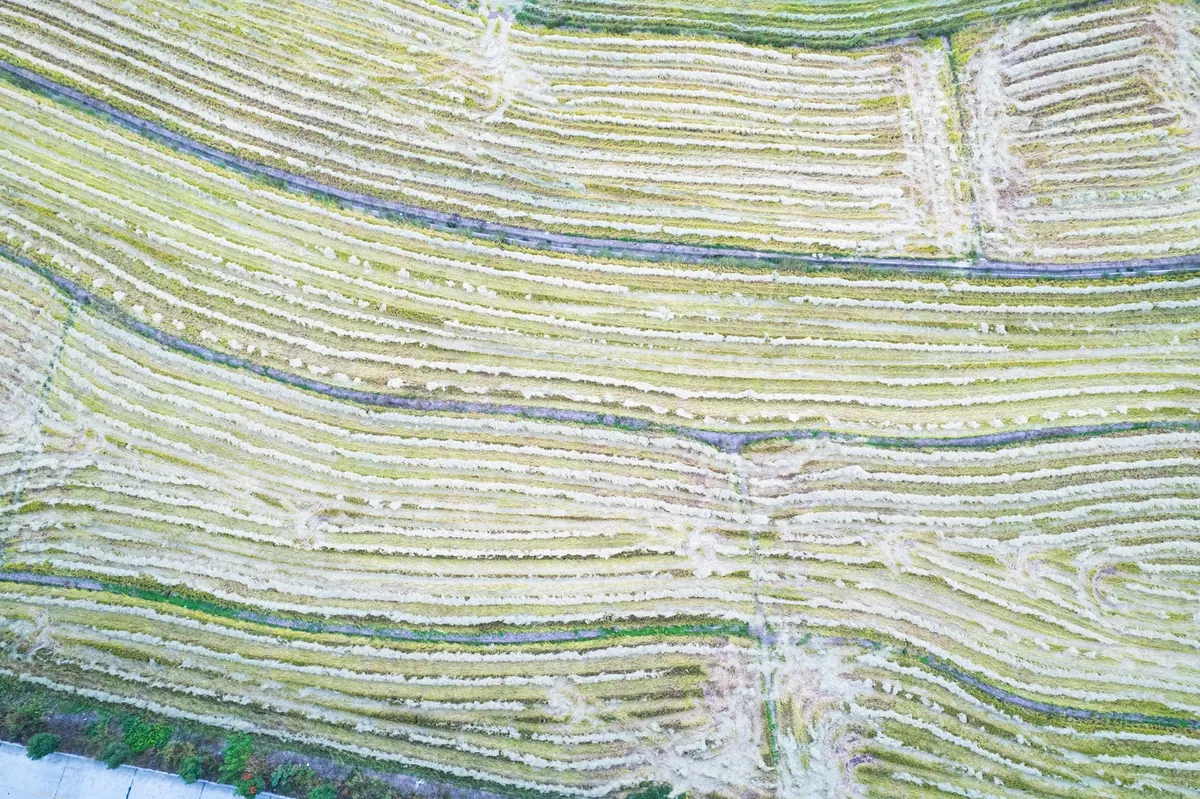
A farm is a business. Land is an asset. Most of us bundle the two together, which is why "investing in farmland" conjures up images of a tractor, a pickup truck and a very patient spouse. It doesn't have to. You can hold a share of working agricultural land through a publicly traded company, a private fund, or a crowdfunding platform, and never once get mud on your boots.
The catch is that these routes are not interchangeable. They carry different fees, different lockups and very different risks. Here's how to tell them apart before you send anyone money.
Agricultural land produces two kinds of return. The first is rent. Row-crop ground is typically leased to an operator on a multi-year cash-rent agreement, so the owner collects a cheque and the farmer takes the weather risk. Permanent crops such as orchards and vineyards are a different animal: the owner often shares in the harvest, which means more upside and much more volatility.
The second is land value. Good farmland has historically moved with commodity prices, interest rates and pressure from development. It tends to be slow, and it rarely delivers the kind of growth a technology stock can. What it can offer is a modest, fairly steady income stream that doesn't march in step with the stock market. Treat it as a diversifier, not a jackpot.
A farmland REIT is a listed company that owns land and leases it out, or owns the infrastructure around agriculture, such as grain storage, cold chain and processing. You buy shares in a brokerage account like any other stock. Minimums are tiny, you can sell on any trading day, and you get a dividend.
There are two things to understand. First, these shares trade at prices that can drift well above or below the underlying value of the land, so you're buying market sentiment as well as soil. Second, "agriculture REIT" covers a wide range of businesses. Some are pure landlords. Others carry heavy debt, own timber, or lean on ag technology bets. Read what the company actually owns.
One tax note: in the United States, REITs must distribute most of their taxable income to shareholders, and those distributions are generally taxed as ordinary income rather than at the lower dividend rate. Holding them inside a retirement account can change that picture. Confirm your own situation with a tax professional.
Private agriculture funds pool money from several investors to buy land or farm operations directly. They often aim for a five- to ten-year horizon, charge a management fee plus a share of profits, and require substantial minimum investments. In the US, many are offered only to accredited investors.
Crowdfunding sits at the other end. Platforms raise smaller amounts from a wider pool, sometimes under rules that allow non-accredited investors to participate with a few hundred dollars. The trade-off is real: you're backing a specific project, the money is usually locked up for years, and there's no market to sell into if you change your mind.
Before committing to any direct project, ask who will actually run the farm, what the water rights look like, how long the lease runs, what happens if the operator walks away, and how you eventually get your money back. If the answer to the last question is vague, that's your answer.
Fees compound quietly. A private offering might stack a management fee, a performance fee, platform costs and legal or administrative charges, then add transaction costs on the way in and out. Add them up before comparing returns to anything else.
The bigger issue is liquidity. Listed REITs you can sell in seconds. Private funds and crowdfunded projects may hold your capital for years, and valuations are often based on appraisals rather than actual trades.
A smooth-looking price chart on a private fund is usually an appraisal schedule, not a market. Don't confuse the two.
Other risks worth naming: a single bad harvest, a tenant default, rising interest rates, water scarcity, commodity price swings, and concentration in one region or one crop. None of these is exotic, and none of them shows up in a glossy brochure.
Farmland is a satellite holding, not a foundation. A few percent of a diversified portfolio is plenty for most people, and it should sit alongside cash, bonds and equities rather than replacing them. Plan to hold for a decade or more, reinvest the distributions if you don't need the income, and resist the urge to chase a hot harvest.
Above all, be honest about what you're buying. A listed REIT is a liquid stock with land underneath it. A private fund is a long-term partnership with people you'll need to trust. A crowdfunded farm is a small business bet with a story attached. All three can earn a place in a sensible plan, but only if you know which one you actually own.
This is general information, not investment or tax advice. Rules on who can invest in private offerings vary by country, and farmland carries risks that don't suit every portfolio. Speak to a licensed financial adviser and a tax professional before committing money.
Photo: 丁 马 / Pexels

A practical guide to building an emergency fund when rural income arrives in bursts: setting a realistic target,...
A three-season budget keeps market vendors from spending summer money in spring, with a cash flow plan that matches...
A practical checklist for budgeting fuel, tires, insurance, and repairs when long rural drives and rough roads push...

Personal finance rooted in the countryside.
